
Introduction: A Disconnect That Shouldn’t Exist
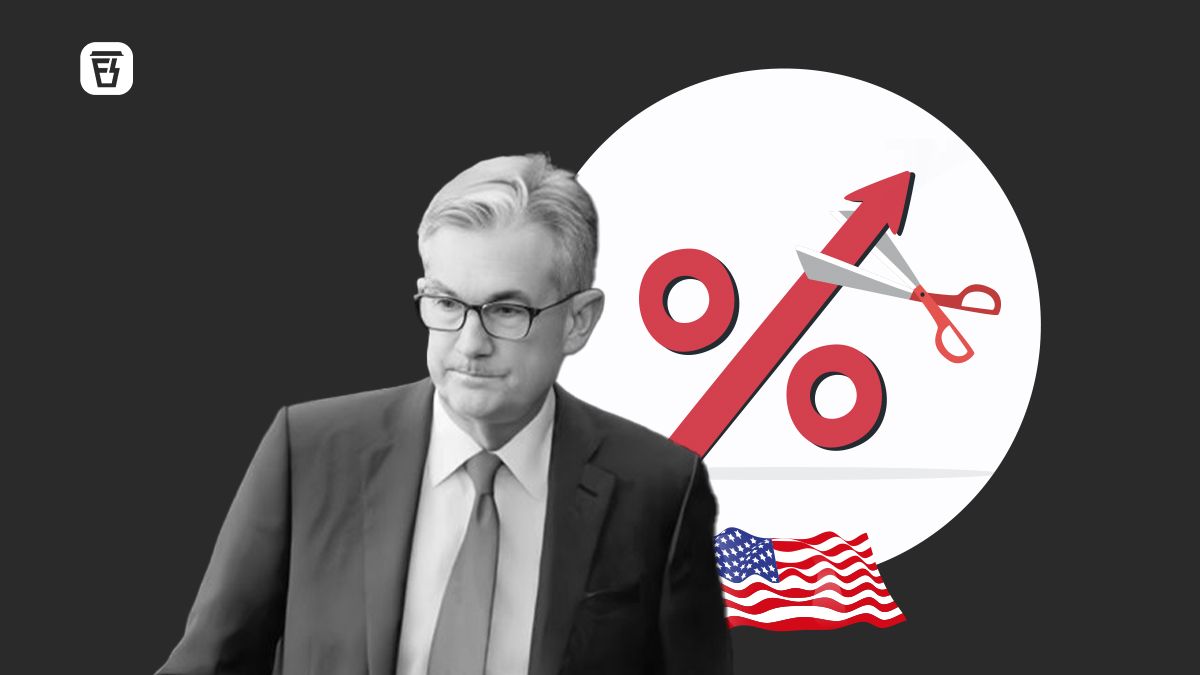
When the Federal Reserve began dialing back interest rates in late 2025 three cuts in three meetings millions of Americans assumed their budgets would finally get some breathing room. Historically, rate cuts translate into cheaper borrowing costs and improved household liquidity.
This time is different.
Despite the Federal Funds Rate drifting toward the mid-3s, credit card APRs remain anchored above 20%, mortgage rates are still hovering above 6%, and student loan collections resumed at full force in January 2026. Meanwhile, high-yield savings yields have already rolled over, depriving consumers of one of the few buffers that helped them weather inflation in 2023-2025.
The result is a phenomenon economists are now calling the “Rate Cut Lag” the lag between monetary policy easing and real consumer relief. And it’s reshaping personal finance behavior across the country.
Why Borrowing Isn’t Getting Cheaper
To understand the disconnect, it helps to follow the money.
Banks and lenders are dealing with:
- Elevated credit card delinquencies
- Softening housing valuations in key metros
- Higher charge-off projections among subprime borrowers
- Increased regulatory pressure on fees and disclosures
To protect margins, banks have widened spreads rather than passing savings directly to consumers. That means instead of cutting APRs, issuers are using the rate environment to rebuild buffers.
There’s also a timeline issue:
Monetary policy acts fast on deposits. It acts slowly on revolving credit and mortgages.
Banks can drop HYSA rates within days, while credit card repricing, underwriting model updates, and funding market dynamics take months sometimes quarters to flow through.
What Consumers Are Doing Instead
With APRs stuck, Americans are taking matters into their own hands through what financial planners quietly call the “Debt Shuffle.” The strategy is simple: move high-APR variable debt into lower-APR fixed debt before lenders tighten further.
The most common moves right now include:
- Fixed-rate personal loans to replace credit card balances
- 0% APR balance transfer cards for 12–18 month breathing room
- Debt management plans through non-profits
- Cash-out refinances or HELOCs (more controversial)
- Student loan refinancing for eligible borrowers
This is not theory; the numbers back it up.
The Data: A Pressure Cooker Economy
Several data series illustrate how we got here:
- Credit card debt reached $1.233 trillion in Q3 2025, a record high (Federal Reserve Bank of New York).
- Average credit card APR remains near 21%, virtually unchanged since mid-2025 (Bankrate/Experian).
- Personal loan rates for prime borrowers have fallen into the 10–12% range, creating a rare interest spread worth exploiting.
- Serious delinquencies (90+ days) in lower-income ZIP codes breached 20% entering 2026 (TransUnion internal analysis).
- Student loan wage garnishment and tax offsets resumed in January 2026, after the post-COVID “on-ramp” period expired (U.S. Department of Education).
Adding to the pressure, HYSA yields are falling fast, with several major online banks trimming rates by 50–125bps since the September rate cut cycle began.
To an overwhelmed household, this environment feels like inflation without the stimulus, and it explains the surge in online searches that financial advertisers refer to as “high-intent distress queries.”
The New Search Economy of Personal Finance
The fastest-growing personal finance queries in January 2026 have one thing in common: urgency.
Examples include:
- “Best debt consolidation loan for bad credit”
- “Why is my credit card APR still high after rate cuts”
- “0 APR balance transfer no fee 2026”
- “Stop student loan wage garnishment”
- “Debt settlement vs debt consolidation”
- “Personal loan vs credit card interest”
Behind every query is a consumer trying to build their own monetary policy because the official one isn’t helping them yet.
How Lenders Are Responding
There’s a fascinating split in the lending market.
Traditional Banks
- Slower to adjust credit card APRs
- Tightening underwriting boxes
- Reducing promotional card offers
- Conserving capital as delinquencies rise
Fintech Lenders & Neobanks
- Dropping personal loan rates faster
- Buying expensive keywords aggressively
- Targeting prime borrowers who feel “stuck”
This explains why firms like SoFi, Upstart, and Marcus have aggressively expanded marketing budgets this quarter: this is the most profitable borrower reshuffling moment since 2019, and fintechs have the flexibility to move faster than legacy banks.
The Risks Nobody Talks About
Debt movement solves cash-flow problems but introduces new vulnerabilities:
The Balance Transfer Cliff
Consumers who transfer balances to 0% cards often forget:
- Purchases accrue interest immediately
- APRs reset sharply after 12–18 months
- Missed payments void promo APRs
Many households extend the fuse but never defuse the bomb.
HELOCs & Home Equity Pressure
Using home equity to wipe out credit cards carries real macro risk:
- Mortgage rates are still elevated
- Home price appreciation has stalled in several metros
- Property tax and insurance costs are rising
A homeowner who converts unsecured debt into secured debt risks losing collateral if the cycle turns.
Looking Ahead: The 2026 Debt Rotation Timeline
Based on lender commentary, rate futures, and Fed communication:
Q1–Q2 2026
- Peak personal loan & consolidation activity
- Balance transfer competition remains high
- Fintech market share expands
Q3 2026
- If the Fed cuts again (June/July expected), mortgage refinancing may take the baton
- Advertising shifts from personal loans → mortgages
- HYSA outflows accelerate into risk assets or home equity
The most important takeaway: the consumer finance story of early 2026 is not investing it’s survival.
Conclusion
The United States is experiencing a strange moment in economic time: a rate-cut cycle that feels like a tightening cycle to the average household. Monetary policy is easing on paper, but tightening in practice, as banks defend margins and regulators clamp down on fees.
Until the lag closes, Americans will continue to act as their own central banks rolling, refinancing, consolidating, negotiating, and arbitraging their way through a system that isn’t delivering relief fast enough.
Whether this behavior improves financial resilience or simply postpones a broader credit reckoning will be one of the defining consumer finance questions of 2026.
Cited Sources & Reference Data
- Federal Reserve Bank of New York — Household Debt and Credit Report, Q3 2025
- Board of Governors of the Federal Reserve — FOMC Rate Decision Releases, 2025–2026
- Experian & TransUnion — Consumer Credit & Delinquency Insights, Jan 2026
- Bankrate & LendingTree — Average Credit Card APR / Offer Data, Jan 2026
- U.S. Department of Education — Loan Collection & Garnishment Guidance, 2026
- CFPB — Junk Fees & Credit Market Oversight Reports, 2025–2026
Financial Disclosure & Editorial Disclaimer
This article is for informational and educational purposes only and should not be considered financial, legal, or tax advice. Interest rates, credit terms, garnishment rules, and lender requirements vary by state and by individual financial profile. Readers should consult licensed financial professionals, tax advisors, or legal counsel before making decisions related to debt consolidation, refinancing, student loans, or credit management. The publisher assumes no liability for actions taken based on the information provided herein.