
Introduction
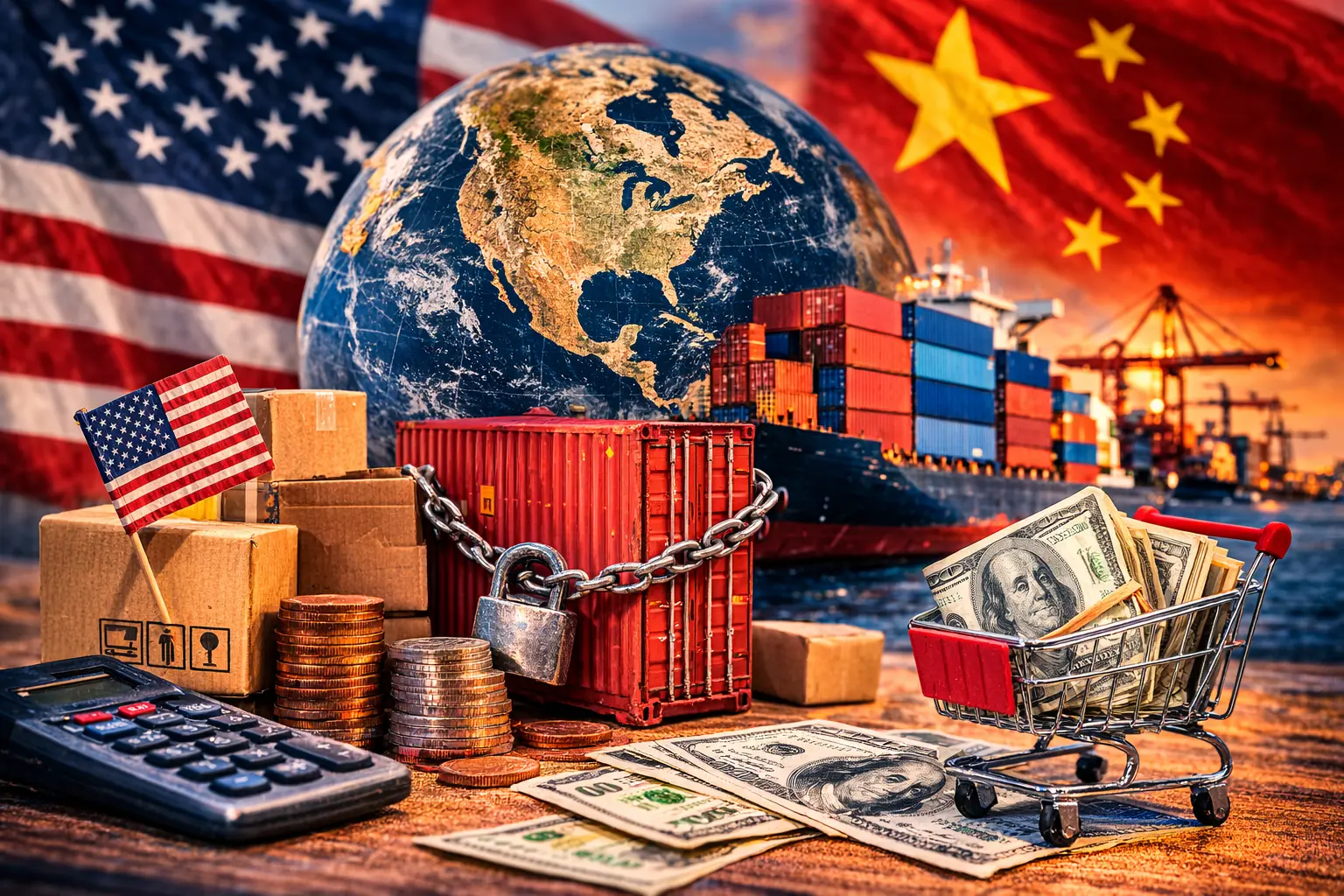
A dramatic escalation in global trade tensions could soon hit American wallets. A proposed 104% tariff on certain Chinese imports, along with 25% tariffs on goods from Canada and Mexico, has sparked intense debate among economists, policymakers, and business leaders.
While tariffs are often framed as tools to protect domestic industries, they can also ripple through the economy in ways consumers feel almost immediately. From electronics and automobiles to household essentials, higher import taxes can raise prices, squeeze supply chains, and influence inflation trends across the United States.
For American consumers already navigating higher borrowing costs and lingering inflation pressures, the potential tariff expansion raises an urgent question: how much more will everyday life cost?
Key Developments
Tariffs are essentially taxes placed on imported goods. When the U.S. government raises tariffs on products from other countries, the cost is typically paid by American companies importing those goods. Those companies often pass the higher costs along to consumers.
The latest proposal centers on several major trade partners:
- China: Tariffs could rise dramatically, with some products facing duties as high as 104%.
- Canada and Mexico: Tariffs around 25% could apply to certain industries, even though both countries are part of the North American trade agreement framework.
These measures would represent one of the most aggressive trade actions in recent years. The move comes amid broader concerns about manufacturing competitiveness, supply chain security, and geopolitical rivalry.
Economists warn that such a large tariff increase could have immediate consequences for global trade flows. China remains one of the largest exporters to the United States, supplying a massive range of consumer goods including:
- smartphones and electronics
- home appliances
- clothing and footwear
- toys and household items
- machinery used by American businesses
When tariffs more than double the price of imported goods, companies must either absorb the cost—cutting their profit margins—or increase prices.
Historically, businesses choose the latter.
Why It Matters for Americans
For most Americans, trade policy can feel distant and abstract. But tariffs have a direct impact on everyday spending.
If tariffs on Chinese goods climb to triple-digit levels, several consumer categories could see noticeable price increases.
Electronics and Technology
China produces a large share of the world’s electronics. Many smartphones, laptops, and consumer gadgets rely on Chinese manufacturing or components.
Higher tariffs could raise prices on:
- smartphones
- laptops
- televisions
- gaming consoles
- smart home devices
Even products assembled elsewhere often rely on Chinese parts, meaning tariffs can ripple across global supply chains.
Retail and Household Goods
Retail giants import billions of dollars worth of Chinese-made goods every year. Items likely to be affected include:
- clothing and shoes
- kitchen appliances
- furniture
- toys and holiday products
Retail analysts say tariffs could push up prices across major stores, especially during high-demand shopping seasons.
Automobiles and Manufacturing
Tariffs on Canada and Mexico could impact North America’s tightly integrated automotive industry. Car parts often cross borders multiple times before final assembly.
Higher tariffs may raise costs for:
- car manufacturers
- construction equipment companies
- industrial machinery producers
That could eventually translate into higher vehicle prices and slower manufacturing growth.
Market and Economic Impact
Tariffs do more than increase product prices they can influence the entire economy.
Inflation Pressure
One of the biggest concerns is inflation.
Inflation has already been a major economic issue in recent years. Even as price growth slowed to around 2–3% annually, tariffs could reverse some of that progress.
Economists often describe tariffs as “imported inflation.”
When businesses pay higher import taxes, those costs ripple through the economy:
- Businesses raise prices
- Consumers spend more
- Inflation rises
If inflation accelerates again, the Federal Reserve may feel pressure to keep interest rates higher for longer.
Higher rates mean:
- expensive mortgages
- costly car loans
- higher credit card interest
That creates a difficult environment for households trying to manage debt or buy homes.
Stock Market Reactions
Financial markets tend to react quickly to major trade developments.
Tariffs can affect investor sentiment in several ways:
- Global companies face rising costs
- Exporters risk retaliation from foreign governments
- Supply chains become less predictable
In previous trade conflicts, markets experienced increased volatility, with sectors like technology, manufacturing, and retail particularly sensitive to tariff changes.
Companies heavily dependent on global supply chains could see profit margins shrink.
Global Retaliation Risk
Another major risk is retaliation from other countries.
If China responds with its own tariffs on American exports, several U.S. industries could be affected, including:
- agriculture
- aircraft manufacturing
- automobiles
- energy exports
American farmers were particularly affected during past trade disputes, as agricultural exports became a common target for retaliatory tariffs.
Trade conflicts can escalate quickly once both sides begin imposing tariffs on each other’s industries.
Real-World Implications for American Consumers
While trade policy debates often focus on geopolitics, the real impact appears in everyday expenses.
Here’s how tariffs could shape household finances.
Higher Shopping Costs
Retailers typically operate on thin margins. When import costs rise, businesses pass the increase to customers.
Consumers may notice higher prices on:
- electronics
- clothing
- furniture
- seasonal items
Price increases may appear gradually but accumulate over time.
Fewer Product Choices
If tariffs make imports too expensive, some companies may stop selling certain products entirely.
That could mean:
- fewer models available
- longer wait times for popular electronics
- reduced product variety in stores
Slower Wage Growth
Trade tensions can also slow economic growth.
If businesses face higher costs and uncertain global demand, they may delay hiring or reduce expansion plans.
That can impact:
- wage growth
- job creation
- investment
In extreme cases, prolonged trade conflicts have historically contributed to broader economic slowdowns.
Expert Insight
Economists remain divided on the long-term effects of tariffs.
Some argue tariffs protect domestic manufacturing by making imported goods more expensive, encouraging companies to produce more in the United States.
Supporters believe this can strengthen:
- U.S. manufacturing jobs
- industrial supply chains
- national economic security
However, many economists warn tariffs can function like hidden taxes on consumers.
Studies analyzing previous tariffs found that a significant portion of the cost was ultimately paid by American households through higher prices.
Trade policy experts often emphasize that tariffs may protect certain industries while increasing costs across the broader economy.
What Could Happen Next
The future of these tariffs remains uncertain.
Several possible scenarios could unfold:
Scenario 1: Tariffs Move Forward
If the tariffs are implemented fully, businesses may begin adjusting supply chains, potentially shifting production to other countries such as:
- Vietnam
- India
- Mexico
However, such transitions take time and can create temporary shortages or price spikes.
Scenario 2: Negotiations Begin
Trade tensions sometimes lead to negotiations rather than full economic escalation.
Countries may negotiate:
- lower tariffs
- revised trade agreements
- new market access rules
This could reduce the long-term economic impact.
Scenario 3: Global Trade War
In the worst-case scenario, countries impose tariffs on each other across multiple industries.
Trade wars historically reduce global economic growth and increase market volatility.
While rare, such conflicts can reshape international supply chains for years.
Conclusion
The proposed 104% tariff on Chinese imports, combined with additional tariffs on Canada and Mexico, represents a significant shift in U.S. trade policy.
Although tariffs are designed to protect domestic industries, their economic impact often extends far beyond the manufacturing sector. Consumers may face higher prices, fewer product options, and increased economic uncertainty.
With inflation still a sensitive issue and interest rates remaining elevated, trade policy decisions could play a crucial role in shaping the financial outlook for millions of American households.
For consumers, investors, and businesses alike, the key question now is whether these tariffs signal a temporary negotiating tactic—or the beginning of a new era of global trade tension.
Either way, the consequences will likely show up in the place Americans notice most: their everyday expenses.
Financial Disclaimer
The information provided in this article is for general informational and educational purposes only and should not be considered financial, investment, tax, or legal advice. While every effort has been made to ensure the accuracy of the information at the time of publication, economic conditions, government policies, and financial markets can change rapidly.
Readers should not rely solely on this content when making financial decisions. Always conduct your own research and consult with a qualified financial advisor, tax professional, or legal expert before making any investment or financial choices.
DailyDollarNews.com and its authors are not responsible for any financial losses or decisions made based on the information presented in this article.