
By Sahil Mehta | Senior Financial Correspondent
February 2, 2026 | Updated 4:05 PM ET
Washington, D.C. For much of last week, anxiety hung in the air.
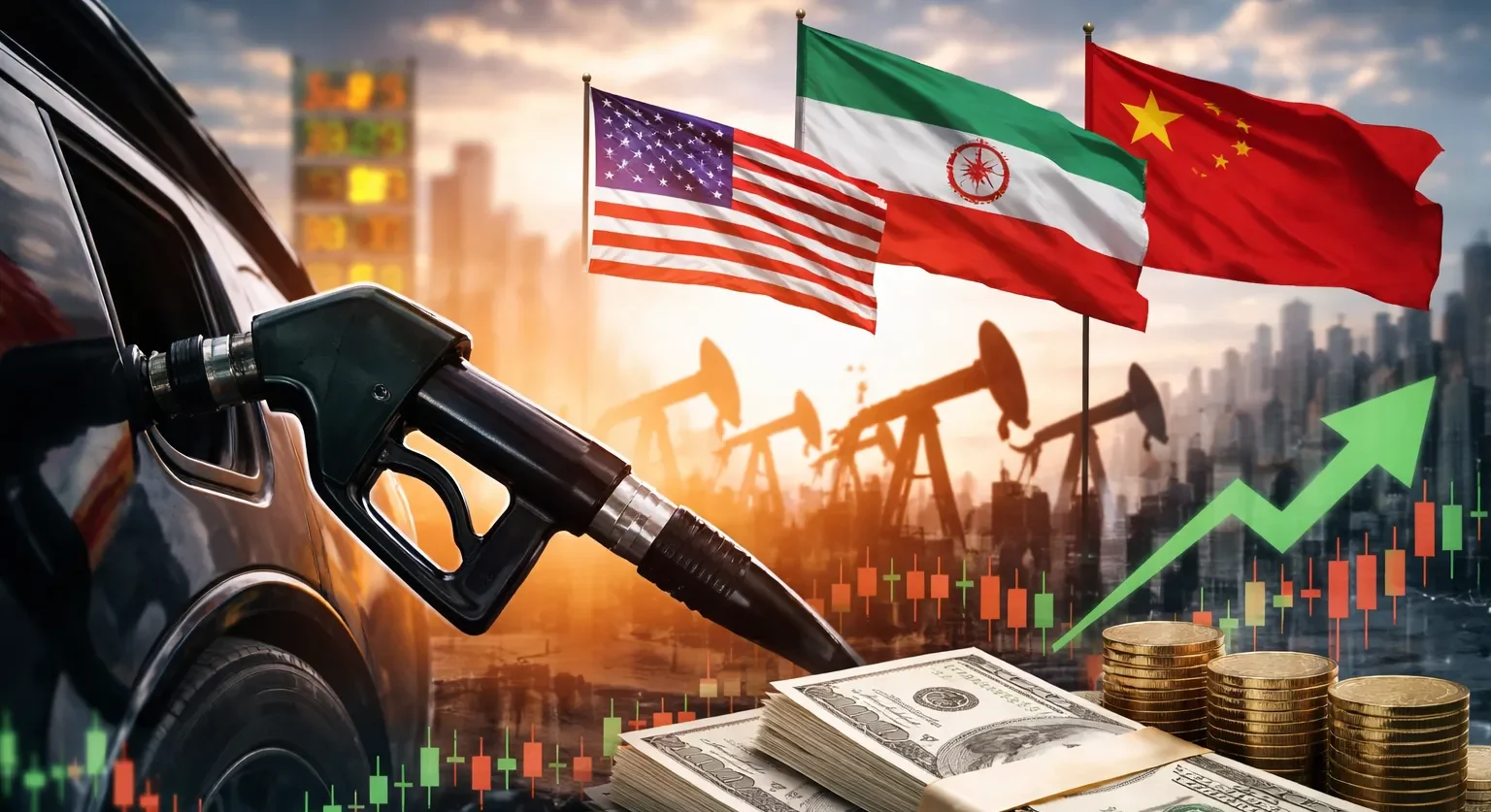
In suburbs outside Cleveland, families watched gas prices nervously. On Wall Street trading floors, screens flickered red and green as investors tried to price in the unthinkable: a direct confrontation between the United States and Iran.
For a moment, it looked like another Middle East crisis could once again send oil soaring and rattle the global economy.
Instead, it ended quietly.
Diplomats stepped in. Rhetoric cooled. Oil prices fell. Stocks surged. By Monday afternoon, the S&P 500 had pushed past the 7,000 mark, and headlines declared a “relief rally.”
But beneath the celebration, many Americans are asking a more practical question:
Does this actually make life easier?
Not really. At least, not yet.
The immediate danger has faded. But the deeper economic pressures of 2026 remain firmly in place. Inflation is still stubborn. Interest rates are still high. And global politics are still unpredictable.
This is what the latest de-escalation really means for your money, your job, and your financial future.
A World That Stepped Back But Didn’t Settle Down
To understand why your mortgage rate hasn’t dropped and groceries still feel expensive, you have to look beyond US borders.
The Iran “Near Miss”
Late January brought a familiar scare.
Rising tensions with Tehran raised fears that shipping through the Strait of Hormuz responsible for roughly one-fifth of global oil traffic could be disrupted. Traders rushed into oil futures. Gas stations quietly prepared for price hikes.
Then came the reversal.
Diplomatic channels reopened. Military posturing eased. By early February, Brent crude had fallen more than 5%, settling near $65 a barrel.
For American households, that matters. A lot.
It means $5-per-gallon gasoline is no longer looming. It means delivery costs stay manageable. It means inflation pressure eases at least for now.
The Trade Cloud Over North America
While tensions cooled in the Middle East, they heated up closer to home.
The White House has warned Canada against deepening trade ties with China. President Trump has openly threatened tariffs if Ottawa “tilts toward Beijing.”
For manufacturers, retailers, and logistics firms, this is unsettling.
North America’s supply chains are deeply interconnected. Disrupting them would raise costs almost immediately and those costs would land on consumers.
This is why policymakers remain cautious. A single trade decision could undo months of inflation progress.
What This Means for the US Economy Right Now
The diplomatic pause has produced short-term relief. But it hasn’t solved the bigger structural problems.
Here’s how the economy looks in early February.
Inflation and Energy Costs
Status: Improving, but fragile
Inflation currently sits near 2.7%. That’s far better than two years ago but still above the Federal Reserve’s comfort zone.
Lower oil prices help. Transportation and shipping costs are already falling. Over the next one to two months, this should ease prices at major retailers.
You may notice it first in:
- Groceries
- Household goods
- Online shipping fees
But there’s a catch.
If trade tensions escalate, tariffs could quickly replace energy as the main inflation driver. Electronics, cars, and appliances would be the first to feel it.
Interest Rates and Housing
Status: Stalled
Last week, the Federal Reserve held its benchmark rate at 3.50%–3.75%. No cuts. No hikes. Just… waiting.
As a result, mortgage rates remain stubbornly high. Most buyers are still looking at 5.5% to 6.0% loans.
For families like the Millers in Austin who have delayed buying for nearly two years—that’s exhausting.
Still, there is one small positive: stability.
Rates are unlikely to spike again. Some sellers are accepting reality and lowering prices. Inventory is slowly improving.
It’s not a housing boom. But it’s no longer frozen.
Jobs and Wages
Status: Healthy, with warning signs
The labor market remains resilient.
Unemployment is steady. Hiring continues. Wage growth has cooled but remains positive.
Technology and AI-driven industries are expanding again. But manufacturing is nervous. Export-oriented firms are already planning for possible tariffs.
If trade tensions worsen, layoffs could follow.
If they ease, hiring may pick up in logistics, retail, and services as consumer spending improves.
The Stock Market
Status: Optimistic and expensive
Crossing 7,000 on the S&P 500 is symbolic. It signals confidence. It reflects relief.
Investors are betting on three things:
- No major war
- Eventual rate cuts
- Stable trade relations
So far, all three remain uncertain.
Valuations are stretched. Many stocks are priced for “best-case” scenarios. Any political shock could trigger a sharp pullback.
This is not a fragile market but it is a hopeful one.
And hopeful markets can reverse quickly.
The Bigger Shift: From Military Risk to Economic Risk
Sarah Jenkins, a senior macro strategist at a major Wall Street firm, describes today’s environment as a “geoeconomic transition.”
“We’ve moved from fearing missiles to fearing tariffs,” she said. “Markets feel safer about war. They’re less sure about politics.”
That distinction matters.
Military crises tend to be sudden and short-lived. Trade disputes are slow and persistent. They reshape supply chains, prices, and investment decisions for years.
For the Federal Reserve, this creates a problem.
Cut rates too early, and inflation could return. Wait too long, and growth slows.
For now, the Fed is stuck in the middle.
What to Watch Over the Next Three Months
Several events between now and April will shape the rest of 2026.
1. The April Fed Meeting
If oil remains below $70 and trade tensions ease, a small rate cut becomes possible.
A 0.25% reduction would not be dramatic but it would signal confidence and help housing.
2. The Trump–China Talks
A potential April visit to China could redefine trade relations.
Success would boost markets. Failure would likely trigger volatility.
There is little middle ground.
3. Consumer Spending
Lower gas prices put extra cash in pockets.
If Americans spend it, growth continues.
If they save it, economic momentum slows.
February and March retail data will be critical.
Three Practical Moves for Households
In an uncertain environment, small financial decisions matter more.
Here’s what makes sense right now.
1. Tackle High-Interest Debt
Credit card rates remain painfully high.
If you’re paying over 20%, this is the moment to look at consolidation or refinancing. Banks are actively competing for good borrowers.
Reducing interest costs is a guaranteed return.
2. Be Cautious With Stocks
Buying heavily into record highs is risky.
Instead of chasing tech leaders, consider:
- Healthcare
- Utilities
- Consumer staples
These sectors offer stability and dividends if markets wobble.
3. Lock in Safe Returns
Certificates of Deposit paying 4% to 4.5% may not last much longer.
If rate cuts arrive later this year, yields will fall. Locking in now provides steady, inflation-beating income.
The Bottom Line
This week’s diplomatic breakthrough removed a serious threat.
That matters.
It prevented a spike in gas prices. It stabilized markets. It gave policymakers breathing room.
But it did not end economic uncertainty.
Trade politics, stubborn inflation, and high borrowing costs remain. The challenges have shifted—not disappeared.
For now, Americans get a small break at the pump. That’s welcome.
Just don’t mistake it for the end of the story.
The next chapter is already being written in Ottawa, Beijing, and Washington.
Disclaimer: This article is for informational purposes only and does not constitute financial, legal, or investment advice. Market conditions can change rapidly. Consult qualified professionals before making financial decisions.