
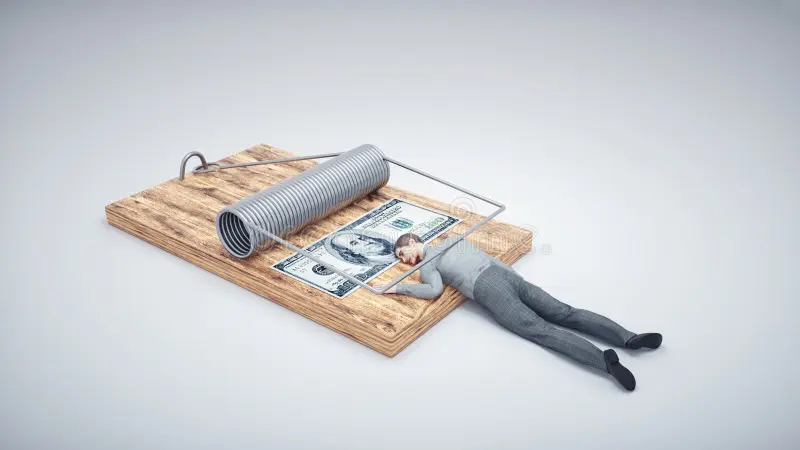
January 2026 U.S. Consumer Credit & Debt Insights
What Is the “BNPL Debt Trap” in 2026?
The Buy Now, Pay Later (BNPL) model surged during the inflationary period of the early 2020s as a way to split purchases into smaller installments without upfront interest. However, by 2026, the combination of loan stacking, credit reporting changes, and higher refinancing costs has made BNPL debt significantly harder for households to manage.
In Q3 2025, U.S. household debt hit $18.59 trillion, according to Federal Reserve data. BNPL loan stacking is now cited as a growing contributor to cash flow stress among Millennial and Gen Z consumers, especially those facing stagnant wage growth and rising living expenses.
Why BNPL Debt Became Harder to Escape in 2026
Three structural shifts made the 2026 BNPL landscape materially different from earlier years:
1. BNPL “Phantom Debt” Is Now Visible to Lenders
Between late 2024 and 2025, updated FICO and VantageScore 4.0 models began incorporating BNPL trade lines. This brought an end to the era of “invisible installment debt,” and now BNPL usage can:
- Lower credit score age-of-accounts metrics
- Influence underwriting decisions
- Affect rental and auto loan approvals
- Reduce available credit limits
Result: Consumers who once relied on BNPL as “off-book credit” are now facing new consequences.
2. High Interest Exposure After Missed Payments
BNPL is often marketed as 0% APR, but missed or restructured payments may convert to 20%–36% APR, rivaling or exceeding subprime credit cards. Meanwhile, despite the Fed pivot on interest rates to fight inflation, overall refinancing remains expensive.
For cash-strained borrowers, this creates a delinquency → penalty → refinancing trap.
3. Wallet Integrations Removed Psychological Friction
When Apple discontinued Apple Pay Later in 2024, lenders like Affirm gained deeper integration into digital wallets. This removed the sign-up friction that once limited BNPL usage. In 2026, tapping your phone can trigger multiple concurrent loans across:
- Affirm
- Klarna
- Afterpay
- Sezzle
- PayPal Pay Later
The combination of ease + frequency = higher loan stacking risk.
How to Get Out of the BNPL Debt Trap (2026 Framework)
Escaping BNPL debt requires treating dozens of micro-loans as one consolidated debt problem rather than scattered installments.
Step 1: Conduct a “Forensic” Inventory of All BNPL Loans
BNPL interfaces are designed to minimize perceived debt by highlighting next payments, not total balances.
Action steps:
- Log into Affirm, Klarna, Afterpay, Sezzle, PayPal, Apple Wallet.
- Collect total outstanding balances, not just “next due dates.”
- Build a spreadsheet with:
- Lender
- Total balance
- Next payment date
- APR or fees
This creates the first accurate picture of total exposure.
Step 2: Prioritize Debts by Severity, Not Size
In 2026, the BNPL debts most likely to damage your financial profile are not always the biggest.
Priority order:
- Past-due accounts (highest credit score risk)
- Interest-bearing monthly loans (Affirm, PayPal Monthly)
- 0% Pay-in-4 loans (less financially costly but high in frequency)
This triage structure prevents avoidable APR spikes and credit report hits.
Step 3: Use Hardship Channels Early to Avoid Default
BNPL providers now offer automated hardship support but only if you engage before missing payments.
Hardship script (2026 standard):
“I am experiencing financial hardship and want to avoid default. I am requesting a payment deferral or hardship plan for my upcoming BNPL installment.”
Typical lender responses:
- Affirm: Payment deferments or timeline adjustments
- Klarna/Afterpay: 7–14 day payment “snoozes”
- PayPal: Support-based extensions case-by-case
Even a one-week delay can buy time for consolidation.
Step 4: Stop the BNPL Spending Cycle (“Behavioral Lockdown”)
BNPL debt is behavioral, not just financial.
Immediate actions:
- Delete BNPL apps from smartphone
- Unlink bank accounts from BNPL platforms
- Remove BNPL shortcuts from Apple Wallet / Google Pay
Behavioral rule:
→ Apply a 24-hour decision rule for any non-essential purchase over $50.
90% of BNPL transactions fail this rule on reflection.
Step 5: Use Debt Consolidation to Restore Cash Flow
If you have 3+ active loans, you’re likely making $200–$400 in bi-weekly payments a cash-flow killer.
Consolidation benefits:
- Converts multiple bi-weekly withdrawals into one monthly payment
- Reduces overdraft probability
- Simplifies budgeting
- Avoids accidental delinquencies
Options in 2026:
✔ Credit union personal loans (lower APRs)
✔ 0% balance transfer credit cards (if credit allows)
✔ Fixed-rate online personal loans
Even if APR is 10%–12%, cash-flow stability typically outweighs interest cost at this stage.
Step 6: Use an Avalanche/Snowball Hybrid for Payoff
After consolidation or organization:
- Autopay minimums to avoid penalties
- Snowball smallest balances first for quick psychological wins
- Avalanche high APR loans second
BNPL balances are small ($50–$200), so payoff velocity is high once orderly.
Step 7: Rebuild Your Emergency Buffer to Prevent Relapse
BNPL adoption correlates strongly with lack of $500–$1,000 emergency savings.
Once paid down, redirect BNPL payment amounts into a High-Yield Savings Account (HYSA). This prevents relapse during:
- car repairs
- medical bills
- rent timing mismatches
- utilities
Top HYSAs in 2026 often yield 4%–5% APY depending on Fed trajectory.
How BNPL Affects Credit Scores in 2026
BNPL is now part of the credit system and outcomes vary by lender and bureau.
Key 2026 realities:
- Experian & TransUnion now accept BNPL trade lines
- Missed payments may show as 30-day delinquencies
- BNPL accounts can lower Average Age of Accounts
- Frequent openings may signal riskier consumer behavior
For younger borrowers with thin credit files, these effects are amplified.
Consumer Rights & Regulations (CFPB 2025–2026)
The Consumer Financial Protection Bureau (CFPB) has clarified several protections:
✔ Disputes: Consumers may dispute defective or undelivered goods
✔ Refunds: Must be credited against BNPL balances
✔ Billing Issues: Refund delays cannot trigger collection
✔ Fee Enforcement: Regulatory attention on late fee caps is increasing
If a BNPL provider refuses to honor legitimate disputes, consumers can file complaints directly with the CFPB portal.
Legitimate Tools & Resources (2026)
Debt Management
- NFCC (National Foundation for Credit Counseling)
→ Good for mixed BNPL + credit card debt bundles
Budgeting & Cash Flow
- YNAB, Monarch Money
→ Updated for installment tracking
Consolidation
- Credit unions like Navy Federal, PenFed, local CUs
→ Lower rates than big national banks
Regulatory Help
- CFPB (consumerfinance.gov)
→ For disputes, refunds, and billing complaints
Sources & Reference Data
Data points in this article draw from:
- Federal Reserve Bank of New York — Household Debt Reports (2025)
- Federal Reserve Economic Data (FRED)
- Consumer Financial Protection Bureau (CFPB) BNPL Reports 2023–2025
- TransUnion & Experian BNPL Credit Reporting Bulletins
- VantageScore 4.0 & FICO Industry Updates (2024–2025)
- BNPL Earnings Reports: Affirm, Klarna, Afterpay
Financial Disclaimer
This article is for educational and informational purposes only and does not constitute financial, legal, or investment advice. Debt situations vary based on income, credit profile, and lender terms. Before making major financial decisions or entering into consolidation agreements, consult with a certified financial planner, credit counselor, or licensed professional.