
By Sahil Mehta | Senior Personal Finance Contributor
Updated February 4, 2026
I still remember the phone call I got last Tuesday from my younger brother.
He wasn’t calling to chat. He wasn’t calling to complain.
He was calling because his 2019 Honda Accord — the car he relies on to get to work every day had suffered a transmission failure.
The repair estimate?
$4,200.
Five years ago, that would have been painful.
In 2026, after years of rising prices, it felt devastating.
He had $1,500 in his checking account. The rest went straight onto a credit card charging 24% interest.
That story isn’t unusual.
It’s the reality for millions of Americans.
We’re told the economy has “stabilized.” Inflation is lower. The headlines talk about soft landings and recovery.
But tell that to your grocery bill.
Tell that to your rent.
Tell that to your insurance premiums.
The cost of living is still high and most people’s financial safety nets haven’t kept up.
If you’ve felt that the old advice “just save $1,000” sounds outdated, you’re right.
It is.
This is the real, updated guide to building an emergency fund that actually works in 2026.
What Is an Emergency Fund Really?
Let’s simplify this.
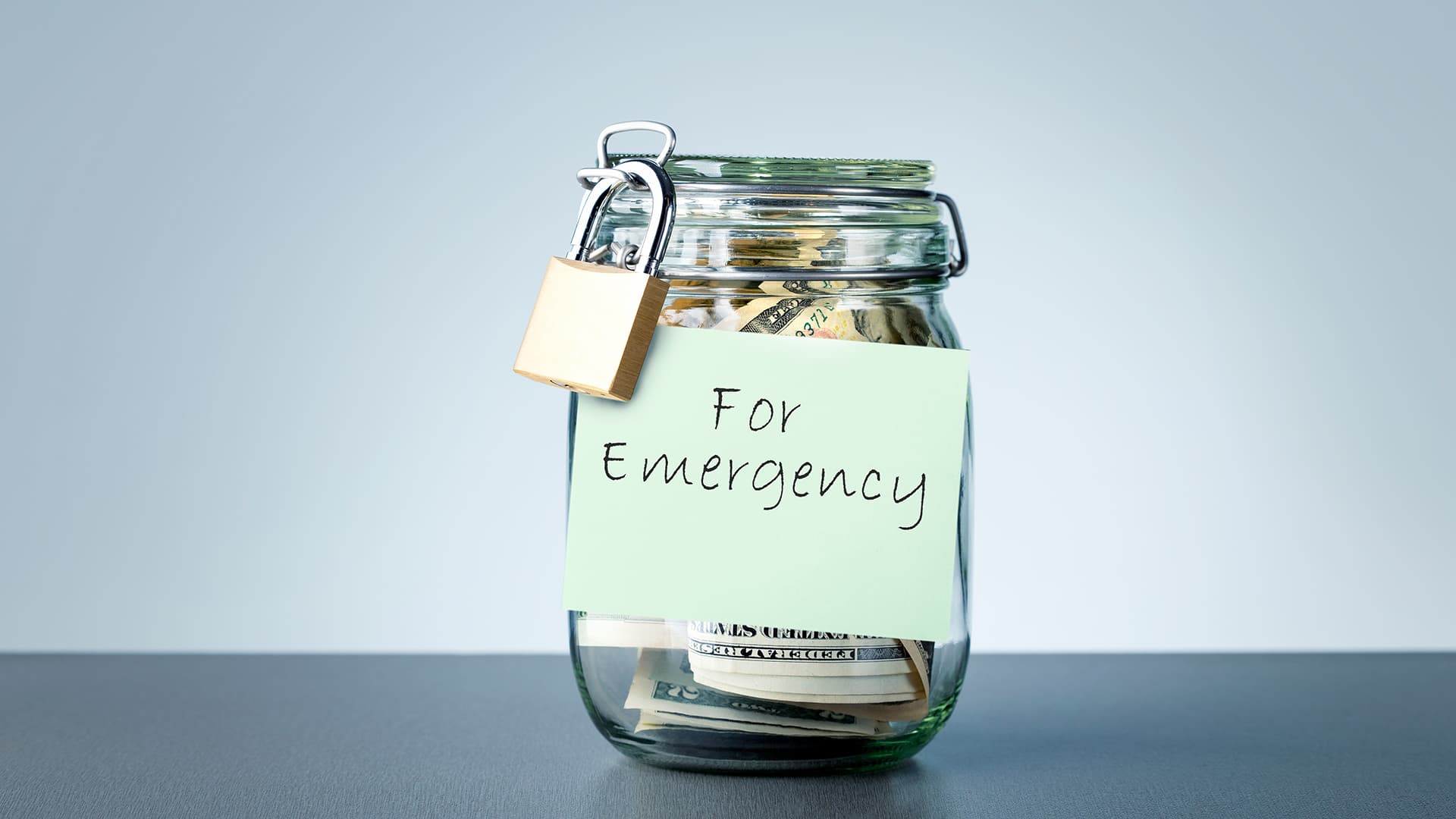
An emergency fund is not an investment.
It’s not “dry powder” for buying stocks.
It’s not extra spending money.
It’s insurance.
You buy car insurance for accidents.
You buy health insurance for illness.
You build an emergency fund for life.
Its true return isn’t the interest rate.
Its return is peace of mind.
It means that when something breaks, you don’t:
- Sell investments at a loss
- Raid your retirement account
- Max out credit cards
- Panic
It gives you options.
And options are priceless.
Why Emergency Funds Matter More in 2026
The financial environment has changed.
1. Prices Stopped Rising But Never Fell
Inflation slowed, but prices stayed high.
Rent, food, repairs, and insurance all cost more than they did five years ago. Your expenses are permanently higher.
That means your safety net needs to be bigger.
2. Hiring Has Slowed
We’re in a “low-hire, low-fire” economy.
Companies aren’t laying people off aggressively but they’re not hiring fast either.
With automation and AI cutting roles, finding a new job can now take five to six months.
That’s a long time without income.
3. Cash Still Pays (For Now)
Unlike the zero-rate era, savings accounts still offer decent returns.
High-yield savings accounts are paying around 3.7% to 4.2% in early 2026.
Your emergency fund can partially protect itself from inflation.
How Much Do You Really Need?
Forget the $1,000 rule.
That covers a small inconvenience not a crisis.
In 2026, the standard remains:
3 to 6 months of essential expenses.
But where you fall depends on your life situation.
Step 1: Calculate Your Survival Budget
This is not your normal budget.
This is your bare-minimum survival number.
Assume you lost your job tomorrow.
You cancel:
- Streaming services
- Dining out
- Gym upgrades
- Shopping
You keep only:
- Rent / Mortgage
- Utilities & Internet
- Groceries
- Insurance
- Minimum debt payments
- Transportation
Example:
| Category | Monthly Cost |
|---|---|
| Rent | $1,900 |
| Car | $400 |
| Food | $500 |
| Utilities/Insurance/Debt | $1,000 |
| Total | $3,800 |
This is your base number.
Step 2: Choose Your Risk Multiplier
| Situation | Months | Reason |
|---|---|---|
| Dual income, stable jobs | 3 | Backup income |
| Single income / single parent | 6–9 | No safety net |
| Freelancer / gig worker | 6–9 | Variable income |
| Tech / media | 6 | Longer job searches |
| Retired | 12 | Market protection |
Real Example
Sarah, 32, marketing manager in Austin:
- Survival budget: $3,800
- Risk profile: Single income
- Target: 6 months
$3,800 × 6 = $22,800
That number feels intimidating.
It should.
But it’s also achievable step by step.
Where to Keep Your Emergency Fund
This is where most people make mistakes.
They either:
- Leave it in checking (earns nothing), or
- Invest it (too risky)
The Best Place: High-Yield Savings Account
In 2026, banks like Ally, Marcus, SoFi, and Capital One offer strong options.
Why HYSAs work:
- FDIC insured
- Quick access
- No market risk
- Pays interest
On $20,000, 4% earns about $800 per year.
That covers a lot of maintenance bills.
What About Using a Roth IRA?
Some people use Roth contributions as backup funds.
Unless you’re extremely disciplined, don’t.
During emergencies, simplicity matters.
Keep your emergency money separate.
How to Build It Faster (Without Misery)
You don’t need $20,000 tomorrow.
You need momentum.
1. The Found Money Rule
Bonuses, refunds, gifts:
Put 50% into savings immediately.
No debate.
2. Subscription Audit
Most Americans now spend over $200/month on subscriptions.
Cancel unused ones.
Redirect that money.
3. Short-Term Side Hustle
Don’t hustle forever.
Hustle for three months.
Dedicate the money to safety.
Then stop.
4. Automation
Set automatic transfers on payday.
If you never see it, you won’t miss it.
When You Use It and How to Rebuild
Eventually, life happens.
You’ll spend it.
That’s success not failure.
It did its job.
How to Rebuild
- Pause extra investing
- Pay minimum debts
- Refill to $1,000 first
- Rebuild fully
No guilt. Just reset.
Common Mistakes
Mistake #1: Keeping It in Crypto
If your emergency fund is in crypto, you don’t have an emergency fund.
You have a gamble.
Mistake #2: Hoarding Too Much Cash
Once you hit your target, stop.
Extra money should grow long-term.
Mistake #3: Being Afraid to Use It
Putting emergencies on credit cards while sitting on savings makes no sense.
Use the cash.
FAQ
Should I pay off debt first?
Build $1,500–$2,000 first. Then attack debt.
Does a HELOC count?
No. Credit lines can freeze.
Should I adjust for inflation?
Yes. Review yearly.
Conclusion: Financial Resilience Wins
In 2026, wealth isn’t about flashy investments.
It’s about stability.
An emergency fund turns disasters into inconveniences.
It protects:
- Your credit
- Your sleep
- Your choices
That’s real wealth.
Your Next Step
Open a separate savings account today.
Name it “Freedom Fund.”
Transfer $50.
That’s how independence starts.
Disclaimer
This article is for educational purposes only and does not constitute personalized financial advice. Consult a qualified professional for your specific situation.
Sources & References (2026)
- Bureau of Labor Statistics
- Federal Reserve Projections
- Bankrate & NerdWallet Rate Data
- AAA Vehicle Cost Reports
- Healthcare.gov ACA Limits