
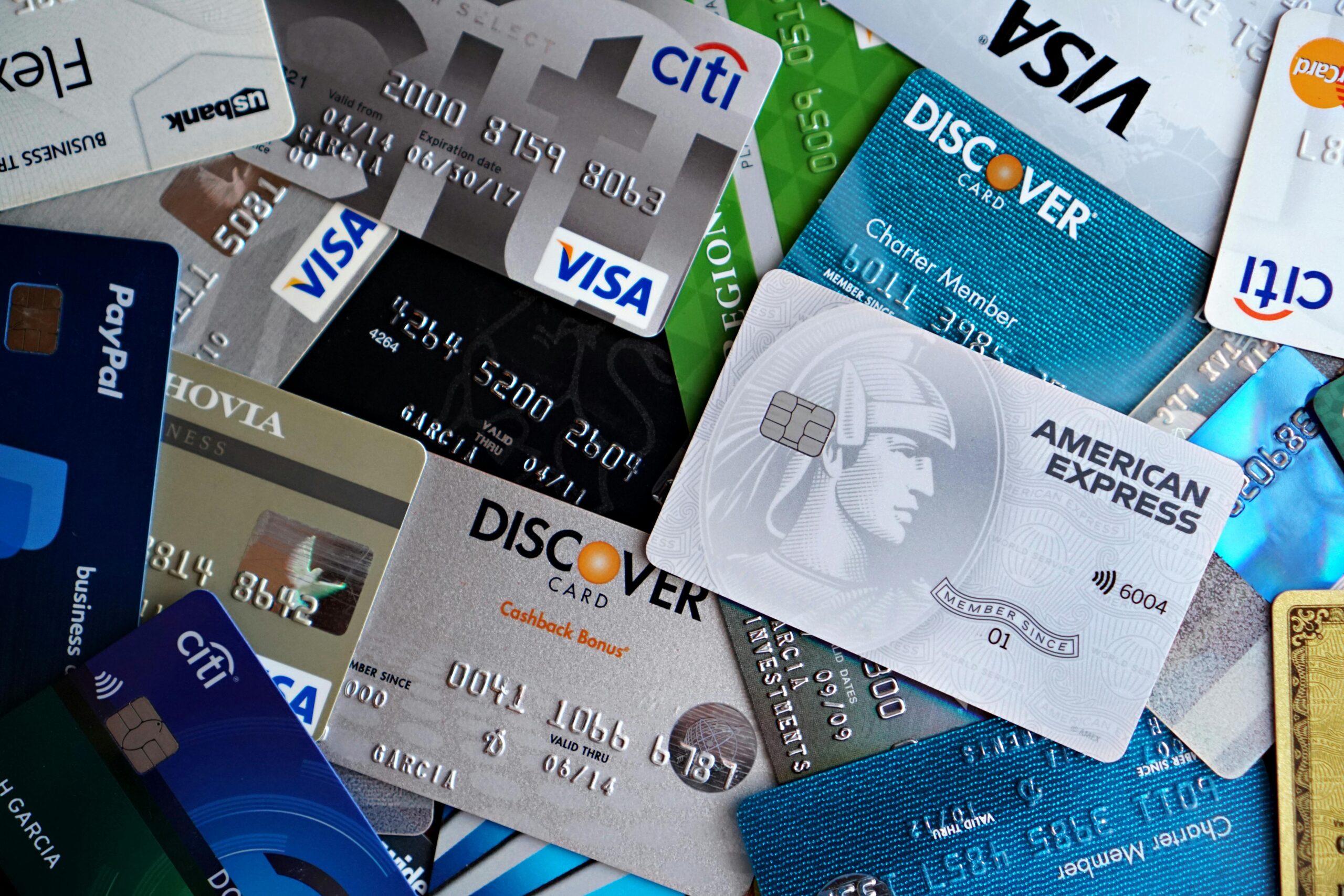
America is entering 2026 with credit card debt sitting at record levels, even as interest rates on other forms of borrowing begin to ease. A review of data from the Federal Reserve, New York Fed, major credit bureaus, and the CFPB paints a clear picture: households are leaning heavily on revolving credit to stay afloat, and relief isn’t arriving quickly.
💳 Total Credit Card Debt Hits New Peak
By the third quarter of 2025, total outstanding credit card balances reached $1.233 trillion the highest level ever recorded since the New York Fed began tracking the data in 1999.
- Quarter-over-quarter growth: +$24 billion (+2.0%) from Q2 2025
- Year-over-year growth: +9.1% vs Q3 2024
- Post-pandemic surge: Up $463 billion (+60%) since Q1 2021
The data shows that even after the pandemic-era stimulus expired, households continued to rely on revolving credit to manage daily expenses and inflationary pressure.
👥 What The Average Borrower Owes
The typical American isn’t just using credit cards more they’re carrying larger balances:
- Avg. debt per borrower: $6,523 (TransUnion, Q3 2025)
- Avg. balance among those carrying debt: $7,886 (LendingTree/Experian, Q3 2025)
Debt burdens vary significantly by region, with states like Hawaii showing a 2.04 debt-to-income ratio, while New York sits closer to 0.89, highlighting wide cost-of-living differences across the country.
📈 APRs Remain Sticky Despite Fed Cuts
Credit card interest rates barely moved when the Federal Reserve began cutting rates in late 2025.
Here’s where things stood by early 2026:
- Avg. APR (all accounts): 20.97%
- Avg. APR (accruing interest): 22.30%
- New card offer average: 23.79% (Jan 2026)
Even after 75–100 bps of Fed cuts, credit card APRs only fell about 50 bps, mainly because lenders kept margins high to compensate for risk.
For households carrying a balance month to month around 46% of cardholders this makes borrowing especially painful.
🚨 Delinquencies Rise, But Stabilize
After spiking in 2023–2024, delinquency levels showed signs of stabilization in 2025:
- 30+ day delinquency: 2.98%
- Serious (90+ day) delinquency: 2.37%
Subprime borrowers were hit hardest during the inflationary run-up. However, delinquencies in this segment began to flatten as banks tightened credit boxes, reduced limits, and pulled back on approvals through 2025.
🧩 What’s Driving the Surge in Credit Card Reliance
The debt build-up didn’t happen in a vacuum. Two major forces shaped the trend:
1. Macroeconomic Pressure
- Wages did rise in 2024–2025
- But inflation in housing, insurance, services, and food consistently outpaced paychecks
- Lower- and middle-income households used credit as a liquidity buffer
Even though the Fed began shifting toward “neutral” rates in late 2025, relief hasn’t yet filtered into revolving credit markets.
2. Lender Behavior
Banks increasingly split customers into two camps:
- Super Primes (740+) → higher limits, aggressive marketing, better offers
- Subprime & near-prime → shrinking limits, account closures, stricter approvals
Total available credit expanded anyway, with $94 billion in new credit limits added in Q3 2025 alone bringing total available credit to $5.7 trillion.
3. Consumer Behavior + BNPL
Buy Now, Pay Later (BNPL) is changing how people borrow:
- 51–54% of Gen Z & Millennials now prefer BNPL over credit cards (Motley Fool, 2025)
- BNPL doesn’t always show on credit reports → creating “shadow debt”
- It also inflates spending that isn’t captured until repayment begins
👶→👴 Who’s Feeling the Most Pressure?
Generational breakdown (2025 estimates):
| Generation | Avg. Balance | YoY Trend | Main Financial Pressure |
|---|---|---|---|
| Gen Z | $3,493 | +2.5% | Low wages, high APRs |
| Millennials | $6,961 | +2.1% | Housing & family expenses |
| Gen X | $9,600 | +1.4% | Peak earning years, peak debt |
| Boomers | $6,795 | -0.1% | Paying down debt on fixed incomes |
Banks are managing risk for now, but private label store cards and fintech lenders are seeing more volatility especially on accounts charging 30%+ APRs.
🔮 Outlook for 2026: More Growth, Slow Relief
Analysts expect credit card balances to keep climbing:
- Projected total by Q4 2026: ~$1.3 trillion
- Expected growth: 5–7% annually
Meanwhile, Bankrate forecasts average APRs declining modestly:
- End of 2026 APR expectation: 19.1–19.4%
- Assumption: three more 25 bps Fed cuts
But not everyone will benefit equally. Experts call it a “K-shaped credit recovery”:
- High-credit borrowers profit from high savings yields + lower rates
- Revolvers & subprime borrowers remain stuck paying 20–30% APRs even in a cooling rate environment
📰 Regulation, Fraud & Policy Going Into 2026
From Q4 2025 to Q1 2026, three key themes emerged:
- CFPB Regulatory Pause
- No major new rules expected for 2026
- Existing rules under “reconsideration” phase
- Late Fee Cap Litigation
- The proposed $8 late fee cap remains tied up in court
- Mid-sized issuers are delaying compliance
- Fraud Surge
- AI-powered fraud and account takeovers surged 300% from 2024 to 2025
- Disputed card charges hit $9.8 billion in 2024 alone
Bottom Line
The U.S. entered 2026 with:
✔ Record credit card balances
✔ Elevated APRs
✔ Moderate delinquency pressure
✔ Wide generational and credit-score inequality
Even with rate cuts on the horizon, revolving borrowers may not feel meaningful relief anytime soon.
Disclaimer: The information provided on this website is for informational and educational purposes only and should not be considered financial or investment advice. Always consult a qualified financial advisor before making any financial decisions.